Wizard Magician Gnome Hobbit Cartoon: A Versatile Illustration for Creative Projects
As a seasoned graphic designer, I always approach new design assets with a critical eye. The goal is to determine not just how they look, but how well they serve the purpose of the project—whether it's brand identity work, print-on-demand products, or social media graphics. When I first encountered Wizard Magician Gnome Hobbit Cartoon, it immediately caught my attention. This illustration blends whimsy and charm in a way that feels both playful and professionally crafted. It’s the kind of asset that can bring personality to a design while still maintaining visual clarity.
A Playful Yet Purposeful Visual Style
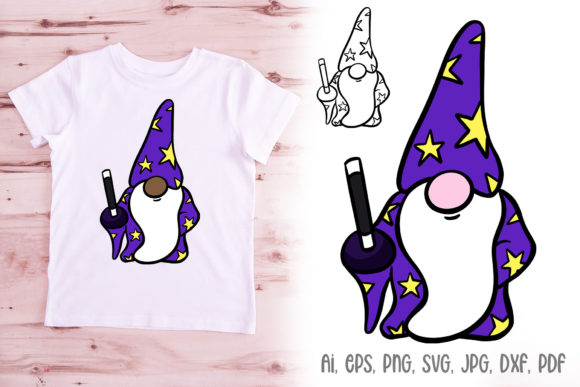
The Wizard Magician Gnome Hobbit Cartoon is a standout example of how character illustrations can enhance storytelling through design. The gnome or hobbit figure is depicted as a small, round, cartoonish character wielding magical elements—perhaps a wand, a book, or glowing effects. The colors are vibrant yet balanced, and the lines are clean enough to allow for easy customization. What I appreciate most is the blend of fantasy and relatability; it feels like something pulled from a children’s book or a cozy fantasy world, which makes it perfect for handmade businesses, seasonal campaigns, or Etsy shops targeting a lighthearted audience.
This style doesn’t scream professionalism in the traditional sense, but it does offer emotional appeal. It works best in environments where warmth, humor, and creativity are key. Think about holiday-themed packaging, whimsical branding for a local event, or even editorial illustrations for a blog post on folklore. It adds an instant sense of fun without feeling out of place.
Real-World Applications in Design Projects
Let’s break down how this asset could perform across different client scenarios:
- Logo Design: While it may not be suitable for a minimalist logo, it can function beautifully as a mascot or supporting element in a more illustrative brand mark.
- Brand Identity: Ideal for niche brands like craft fairs, artisanal product lines, or fantasy-themed cafes. It supports a creative marketplace vibe and helps establish a unique brand voice.
- Product Labels & Packaging Design: The illustration brings a charming touch to product mockups. It can be used as a decorative accent on jars, boxes, or gift tags to reinforce a theme.
- Posters and Flyers: In large layout areas, this character becomes a hero graphic. Its expressive features make it engaging for event promotions or themed campaigns.
- T-Shirt and Merchandise Designs: As a sticker design or t-shirt graphic, the gnome or hobbit can become a signature piece in a themed collection. The vector formats (SVG, EPS, AI) ensure scalability for high-quality printing.
- Editorial and Web Design: Works well in blog headers, website banners, or Pinterest pins when paired with appropriate typography. It draws the eye and encourages interaction—perfect for content creators aiming to stand out in crowded feeds.
- Cricut Projects and Canva Templates: The PNG and SVG formats are ideal for die-cutting and digital overlays. Whether you're designing printable wall art or custom stickers, this illustration offers flexibility.
- Print-on-Demand and Sublimation Design: With file types like JPG, PDF, and DXF, this design asset is ready for various applications including mugs, tote bags, and phone cases. Just make sure to test print quality at full scale.
Best Use Cases for Maximum Impact
This illustration thrives in settings where it has space to breathe and can be the focal point. Here are the top use cases where Wizard Magician Gnomes Hobbit Cartoon will shine:
- Themed Collections: Especially useful for boutique product lines or seasonal campaigns. Pair it with similar characters or magical motifs for a cohesive look.
- Hero Graphics: On posters, flyers, or web banners, it adds a memorable visual anchor that invites curiosity.
- Product Mockups: When placed over mockup templates, it enhances the perceived value of the product by adding a story-driven element.
- Decorative Accents: Use it as a subtle background detail in marketing visuals or packaging to add texture and depth without overwhelming the message.
- Social Media Posts: The whimsical nature of the illustration aligns well with platforms like Instagram and Pinterest, especially when used alongside handwritten or script fonts.
Where Caution Is Advised
While this asset is undeniably charming, there are situations where it might not be the best fit. For instance:
- Small Sizes: At tiny scales, the details can get lost. Always preview it in context before finalizing a design.
- Crowded Layouts: If your design already has multiple elements vying for attention, adding another cartoon character could disrupt visual hierarchy.
- Complex Backgrounds: The illustration performs better against solid or gradient backgrounds than busy textures or patterns.
- Minimalist Branding: For clients who prefer sleek, modern design, this whimsical asset might feel too much. Consider using it sparingly or as a secondary brand element.
- Professional Corporate Materials: Avoid using it in boardroom-style presentations or formal reports unless the brand itself leans into a quirky, imaginative tone.
Design Notes: Practical Checks for Commercial Use
Before integrating Wizard Magician Gnome Hobbit Cartoon into a client project, here are some essential checks every designer should perform:
- Test in Black and White: Even though it’s colorful, confirm if it maintains its character and readability in grayscale. Some color contrasts may weaken when printed in monochrome.
- Check Contrast on Light/Dark Backgrounds: Ensure the illustration remains visible and clear whether it’s set against white or black. Adjustments may be needed for optimal legibility.
- Preview at Small and Large Sizes: Test how it looks on a business card versus a billboard. Vector files (like SVG or AI) are crucial for preserving quality at all scales.
- Place on Real Mockups: Use it in realistic product mockups to see how it interacts with other design elements. This helps identify potential clashes early on.
- Review File Formats: Confirm that you have the right format for each application—SVG for editable graphics, PNG for transparency, JPG for standard prints.
- Inspect PNG Transparency: If using it on layered designs or overlaying text, verify that the PNG has a transparent background so it integrates seamlessly.
- Compare Font Styles: Try pairing it with serif, sans-serif, script, and display fonts to find the right typographic balance. Script or handwritten fonts often complement the illustration’s whimsy.
- Confirm Commercial Licensing: Always double-check the license terms before using any design asset for client work. This ensures legal compliance and protects both you and your client.
Why It Matters in Professional Design Work
When choosing a design asset like Wizard Magician Gnome Hobbit Cartoon, it’s important to consider how it contributes to the overall impression of the project. This illustration isn’t just a clipart—it’s a storyteller. It builds brand recognition through consistent imagery and increases audience engagement by evoking a sense of joy and nostalgia.
In terms of visual trust and hierarchy, the character should never overpower the main message. Instead, it should support it—like a friendly guide leading the viewer through a design. That said, if the project requires a serious tone, it’s best to avoid using it as a central element. However, for small business branding, handmade product lines, or creative marketplaces, it can elevate the design from generic to memorable.
Final Thoughts for Designers and Content Creators
Overall, Wizard Magician Gnome Hobbit Cartoon is a strong addition to any designer’s toolkit, especially those working in the realms of illustrations and graphics for digital or print-on-demand projects. It’s versatile enough to adapt to many contexts, yet specific enough to add a distinct flavor to your creative output.
If you’re designing for a whimsical brand or a themed campaign, this illustration can help create a cohesive mood and visual language. But remember—context is everything. Use it where it can contribute to the narrative rather than distract from it. And always validate its performance through real-world testing, particularly in different sizes and layouts.
For Cricut users, bloggers, or digital sellers looking to inject some magic into their next project, this asset provides a reliable foundation for building something truly special. Just don’t forget to review licensing and file compatibility before hitting the publish button.