Of All the Things I’ve Lost, I Miss My Mind
As an embroidery designer with years of experience bringing digital files to life on fabric, I’ve learned that a good design isn’t just about looks—it’s about performance. The phrase “Of All the Things I’ve Lost, I Miss My Mind” caught my eye not only for its clever wording but also for how it could translate into a meaningful machine embroidery design. Let me walk you through how this design would behave in real-world applications and what you need to consider before using it.
First Impressions: Mood and Visual Personality
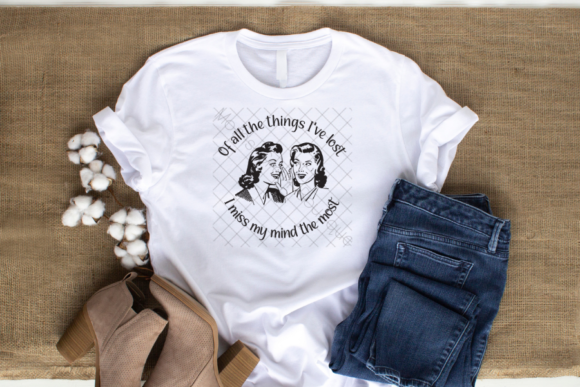
The first thing that stands out about Of All the Things I’ve Lost, I Miss My Mind is its tone—playful yet introspective. It’s a statement that blends humor with vulnerability, which makes it perfect for custom apparel, tote bags, or even nursery decor where personality matters. The layout appears balanced, with a clear focal point in the text and enough white space to keep it from feeling cluttered.
I imagine this design as a bold satin-stitched font paired with some subtle fill stitch elements. The visual flow feels natural, and the message reads easily at a glance. As someone who often works with text-based designs, I appreciate how legible the lettering seems. However, there’s a certain whimsy to it that suggests it might work better with a soft, decorative edge rather than rigid block letters.
A Real-Life Embroidery Scenario
Let’s say you’re creating a custom sweatshirt for a boutique order. You want something that’s both professional and personal, something that your clients can wear with pride. Of All the Things I’ve Lost, I Miss My Mind fits the bill. Its emotional resonance adds depth to your product, making it more than just a piece of clothing—it becomes a conversation starter.
When applied to a cotton sweatshirt, the design should stitch cleanly if you use proper stabilizer and adjust tension settings accordingly. The words themselves are likely large enough to remain readable after multiple washes, which is essential for any item that sees regular wear. But let’s be honest—this design needs careful placement to avoid being lost in seams or hems.
Where This Design Shines
- Custom Apparel: Sweatshirts, t-shirts, and hoodies are ideal for this kind of expressive text. The sentiment feels right at home on casual wear.
- Tote Bag Designs: Whether it’s a canvas grocery bag or a linen shopper, this phrase has a strong presence that won’t fade quickly in the wash.
- Baby Clothes & Nursery Decor: While the phrasing may seem dark, the contrast between humor and vulnerability can make it a surprisingly thoughtful addition to personalized baby items like onesies or wall art.
- Embroidered Patches: If converted into a patch format, this design could become a popular add-on for denim jackets, backpacks, or DIY accessories.
- Etsy Listings and Boutique Merchandise: This design brings character to handmade products, helping Etsy sellers and small shop owners stand out with unique, relatable content.
Places to Use with Caution
While versatile, Of All the Things I’ve Lost, I Miss My Mind does have limitations depending on the application. Here are a few scenarios where extra attention is needed:
- Small Hoop Sizes: If you plan to use this design on a tiny hoop, such as for a cap or a keychain, the detail may get lost. Check whether the file allows for resizing without compromising clarity.
- Stretchy or Thin Fabrics: Stretchy materials like spandex or jersey can distort the shape of the design if not properly stabilized. Consider using cut-away stabilizers for best results.
- Dark Fabric Backgrounds: Thread color contrast is vital. On black or navy fabric, ensure the colors used in the design pop. A white or light-colored background will give the design room to breathe.
- Detailed Corners and Dense Stitch Areas: If the design includes intricate shapes or tight curves, test it on scrap fabric to see how well your machine handles those transitions. Adjust stitch density if necessary to prevent puckering or distortion.
- Products That Need Frequent Washing: High-density stitching areas may pill over time, especially if the design uses delicate thread colors. Choose durable threads and fabrics suited for repeated laundering.
Visual Appeal vs. Stitching Clarity
This design walks a fine line between visual charm and functional embroidery. The phrase is catchy and memorable, which enhances the visual appeal of any project. But as an embroiderer, I know that catchiness doesn’t always mean clarity. If the font is too stylized or the spacing between letters is inconsistent, it could lose impact once stitched.
That said, the overall composition seems solid. It’s not overly complex, so it should render clearly across most machines. Still, I recommend testing it in a black-and-white mockup before finalizing the color scheme. Sometimes, what looks great on screen doesn’t translate well to fabric, especially when thread choices are limited.
How It Impacts Your Handmade Product Line
For craft business owners and Etsy sellers, this design can elevate the emotional value of your products. It adds a touch of authenticity and wit, which customers respond to. When used on a tote bag or apron, it helps tell a story—something today’s shoppers crave.
From a branding perspective, the design supports brand consistency by offering a voice that’s both modern and reflective. It could fit nicely alongside other witty or minimalist graphics in your collection. But don’t forget to check licensing terms before selling the finished product or including it in digital embroidery files for resale. Since Mom’s Craft Boutique explicitly states they do not work with trademarked content, you can feel confident using their design assets commercially, provided you follow their guidelines.
Customer Trust and Giftability
Customers tend to trust brands that feel real and relatable. Of All the Things I’ve Lost, I Miss My Mind speaks to that connection. It’s not just another slogan—it’s a reflection, a shared joke, a badge of self-awareness. That kind of messaging can increase buyer engagement and make your product more giftable.
Imagine gifting a pillow cover with this embroidered phrase to a friend who’s going through a tough time. It’s lighthearted but meaningful. For holiday gifts or wedding favors, the design’s balance between sentiment and style makes it adaptable—if you pair it with the right imagery or color palette.
Designer Notes: What to Watch For
- Test on Scrap Fabric First: Always try the design on a sample piece of the same fabric you’ll be using for production. This helps you catch issues with stitch density or fabric stretch early.
- Check Thread Color Contrast: Especially important for darker backgrounds. Make sure the colors used in the design still look good post-embroidery under different lighting conditions.
- Review Stitch Density: Too much fill stitch can cause puckering, while too little may leave gaps. Adjust based on the fabric and machine you're using.
- Confirm Hoop Size: If the design requires a larger hoop, make sure your workspace and workflow can accommodate it, especially if you're producing multiple units.
- Inspect Small Details: If the design has tiny embellishments or lettering, test them separately. Not all machines handle fine details equally well.
- Use Proper Stabilizer: Depending on the fabric, tear-away, wash-away, or cut-away stabilizers may be necessary to maintain stitch integrity.
- Compare Light and Dark Backgrounds: Take note of how the design interacts with different fabric tones. Some color combinations may not read as clearly as expected.
- Check Whether It Works for Commercial Projects: Even if the design is appealing, verify if it’s suitable for resale or commercial use. Licensing is crucial for apparel decorators and digital product sellers.
Final Thoughts for Creative Entrepreneurs
Of All the Things I’ve Lost, I Miss My Mind is a design that leans into the emotional side of crafting. It’s not flashy, but it’s memorable. If you're looking for something that adds character to your handmade product range without overwhelming the senses, this one is worth considering.
However, don’t take it straight from the file and assume it’ll work perfectly on every surface. Like any good embroidery project, it needs thoughtful setup and execution. Pay attention to the fabric, the hoop size, and the stitch types involved. And remember, customer satisfaction starts with stitch quality and ends with meaning.
If you’re part of the crafts community and love exploring new graphics for your projects, I encourage you to experiment with this design—but do it smartly. Join the Facebook group for freebies, share your experiences, and help fellow crafters learn from your process.