Metallic Background Textures: A Crafty Graphic Design Asset for Real Projects
As a seasoned crafter and handmade product designer, I’m always on the lookout for graphic design assets that elevate my creations without complicating my workflow. Recently, I tried out Metallic Background Textures, and it quickly became one of those versatile additions to my digital crafting toolkit. These textures aren’t just eye-catching—they’re practical, too, especially when you need to add a touch of elegance or luxury to your designs. In this review, I’ll walk you through how I used them in real-life projects and what every small business owner or DIY creator should know before diving in.
First Impressions: Sparkle with Purpose
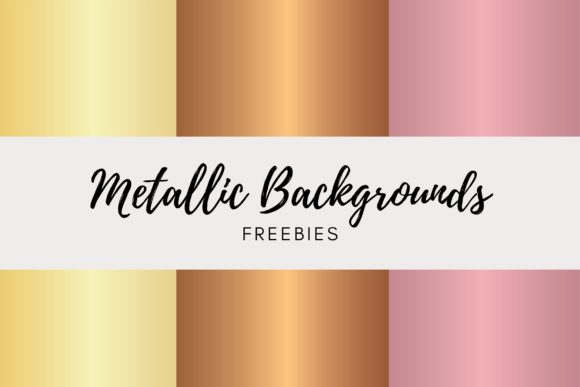
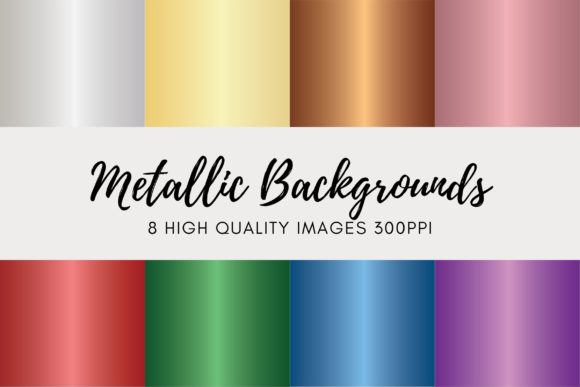
The first thing that struck me about Metallic Background Textures was the visual impact. The rose gold tones immediately gave off an elegant and premium vibe, perfect for creating products that feel special—like holiday gift tags, custom mugs, or even branded packaging for a boutique shop. The textures are rich but not overwhelming, making them ideal for backgrounds where you want subtle detail without distracting from the main message or imagery.
These graphics suggest a handmade style that’s both decorative and refined. If your Etsy shop focuses on minimalist yet luxurious items, or if you create seasonal collections for craft fairs and local markets, these textures can help set the tone. They appeal to customers who appreciate personalized gifts, festive decor, or high-end printable art—especially around holidays like Christmas, New Year, or Valentine’s Day.
Real-World Use in Cricut and Silhouette Projects
I’ve been using Metallic Background Textures in several Cricut and Silhouette projects lately, including tumbler wraps and planner stickers. When applied as a background, they give a decorative yet clean base that works well with layered text or simple illustrations. For example, on a tumbler wrap, the metallic texture adds depth and shimmer without overshadowing the typography or brand logo above it.
In sticker design, I found that placing the texture behind a bold SVG illustration helped create contrast and made the sticker pop. It worked especially well for thank-you cards and gift tags where a little sparkle could make the item feel more thoughtful and curated. However, I did have to be careful with smaller stickers—more on that later.
What Works Best
- Large cut files—The details in the texture remain crisp and don’t lose their definition when printed at scale.
- Clean printable layouts—When paired with minimal text or logos, the metallic look enhances the sophistication of the design.
- Seasonal craft bundles—I added these textures to a fall-themed collection for print-on-demand greeting cards and saw a noticeable bump in customer interest.
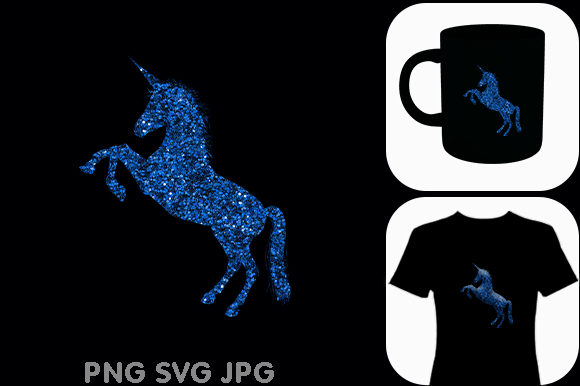
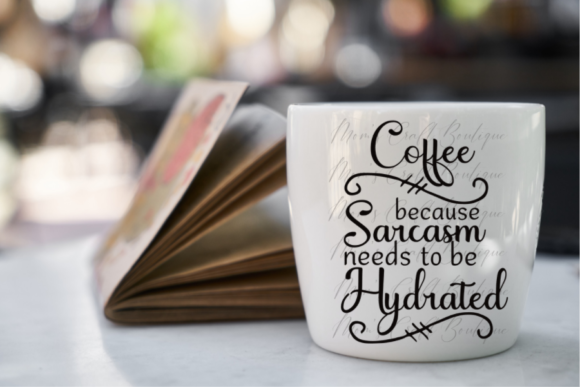
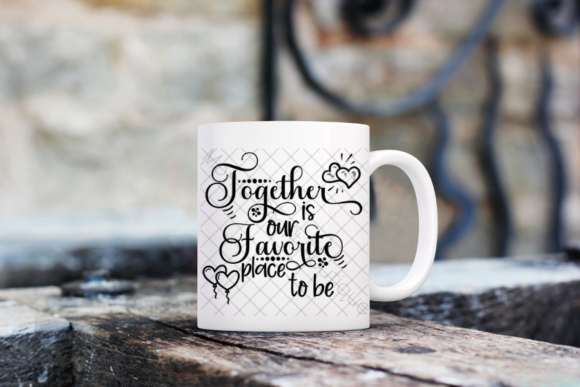
- Gift products—Custom mugs, tote bags, and wall art all looked elevated with a rose gold background subtly visible beneath the main design.
- Decorative accents—They work great as a secondary layer in vinyl cutting for scrapbooking or sublimation printing for personalized tumblers.
Technical Tips for Handmade Sellers and Print-on-Demand Creators
Before using any graphic design asset in commercial projects, it’s essential to check the technical quality. Here’s what I looked for with Metallic Background Textures:
- SVG lines are clean: I imported the file into both Cricut Design Space and Silhouette Studio to ensure the paths were smooth and easy to resize or manipulate.
- PNG transparency previewed: The PNG version had excellent transparency, which is crucial when overlaying text or images for mockups or final prints.
- Resolution confirmed: Since I use some of these for sublimation design, I made sure the resolution was high enough (300dpi+) to avoid pixelation on large surfaces.
- Color test runs done: I tested the rose gold tones on white and dark-colored substrates to see how they’d appear in different lighting and materials.
If you're planning to sell finished products, always test the asset on real product mockups before going live. This helps you catch issues like scaling problems or color clashes early. I also resized the Metallic Background Textures for different product sizes—from a 4x6 inch mug label to a full-size tumbler wrap—and found that they held up well when adjusted properly.
Pairing Metallic Backgrounds with Fonts and Layouts
One of the best parts of working with Metallic Background Textures is how easily they pair with various font styles. I’ve successfully used them with:
- Serif fonts for a classic, elegant look
- Sans serif fonts for a modern twist
- Script and handwritten fonts for romantic or whimsical themes
- Display fonts for bold, attention-grabbing designs
The key is to keep the text readable and the layout balanced. While the texture adds visual interest, it shouldn't compete with the message. I often simplify the foreground elements to let the metallic background shine without causing clutter.
Where to Use Carefully
While these textures are beautiful and functional, there are a few scenarios where they might not be the best fit:
- Very small cutting details: The intricate patterns can get lost or cause errors when scaled down for tiny stickers or labels.
- Crowded compositions: Layering multiple SVG elements over the texture may lead to visual overload. Stick to one or two focal points.
- Low-contrast colors: If your foreground uses muted or pastel tones, the metallic effect might not stand out as intended.
- Layered vinyl projects: Overlapping layers of vinyl can sometimes dull the metallic finish, so plan accordingly for heat press or Cricut Infusible Ink applications.
- Small sticker sizes: Like I mentioned earlier, the details can become too fine and won’t translate well when shrunk down.
Always remember to simplify the layout if needed. Sometimes, less is more when working with detailed backgrounds.
Commercial Licensing and Small Business Branding
If you're considering using Metallic Background Textures in your handmade business, confirm whether the asset includes a commercial license. Some freebies are only for personal use, while others allow for resale or print-on-demand services. I always double-check licensing terms before incorporating any design into an Etsy product or adding it to a digital product bundle.
For branding purposes, these textures can help unify your product line. I used them across a series of thank-you cards and planner pages, giving each item a cohesive look that felt exclusive and professionally designed. Whether you're building a seasonal collection or launching a new range of printable designs, having a consistent background style reinforces your brand identity.
Creating Product Mockups and Showcasing Designs
Product mockups are vital for handmade sellers looking to present their work on creative marketplaces like Etsy or social media. I placed the Metallic Background Textures behind mockups of custom mugs and tote bags, and the result was stunning. The texture didn’t overpower the image, but it added enough character to show the product in a high-end context.
I also used them in digital product templates for planners and calendars. The metallic sheen gave the mockups a professional edge, which helped boost sales when I listed them in my Etsy shop. Buyers could clearly see the quality and style of the final product, thanks to the realistic presentation.
Final Thoughts: A Valuable Addition to Your Design Assets
Metallic Background Textures isn’t just another pretty graphic—it’s a functional part of a larger design strategy. As someone who creates both physical and digital handmade products, I appreciate how these textures blend seamlessly into my workflow. They’re especially useful for elevating everyday items into something memorable.
Whether you're prepping for a holiday rush, designing a new line of greeting cards, or building your small business branding, these textures offer a lot of potential. Just be mindful of the size and complexity of your project, and always do a test run before sending anything to production or listing it online.
If you're looking for a graphic design asset that brings a touch of luxury to your handmade creations, I highly recommend giving Metallic Background Textures a try. With the right approach, they can transform your designs and help you stand out in a competitive handmade market.